Next Generation Seafarer Training by Olav-Rasmus Vorren

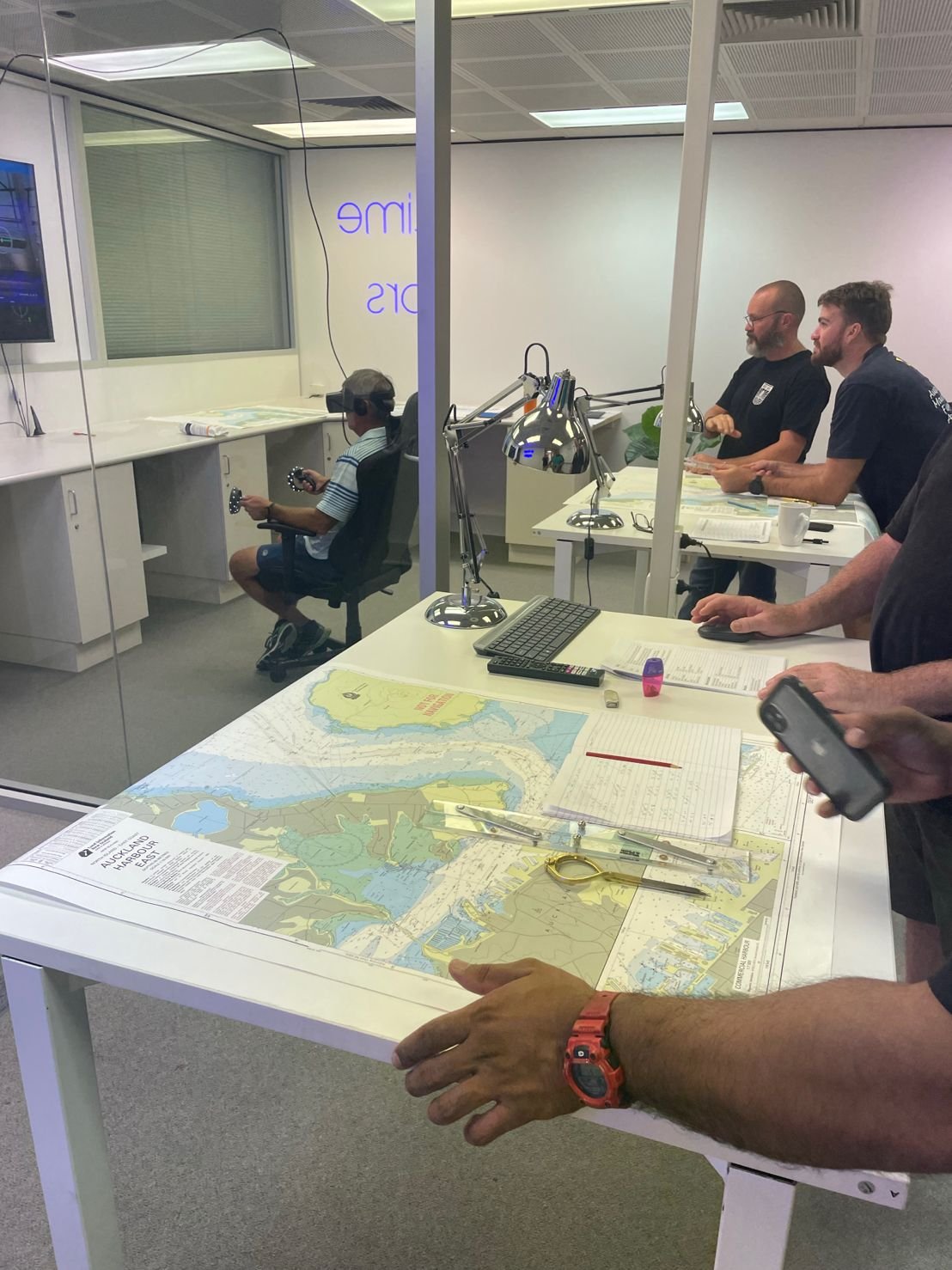
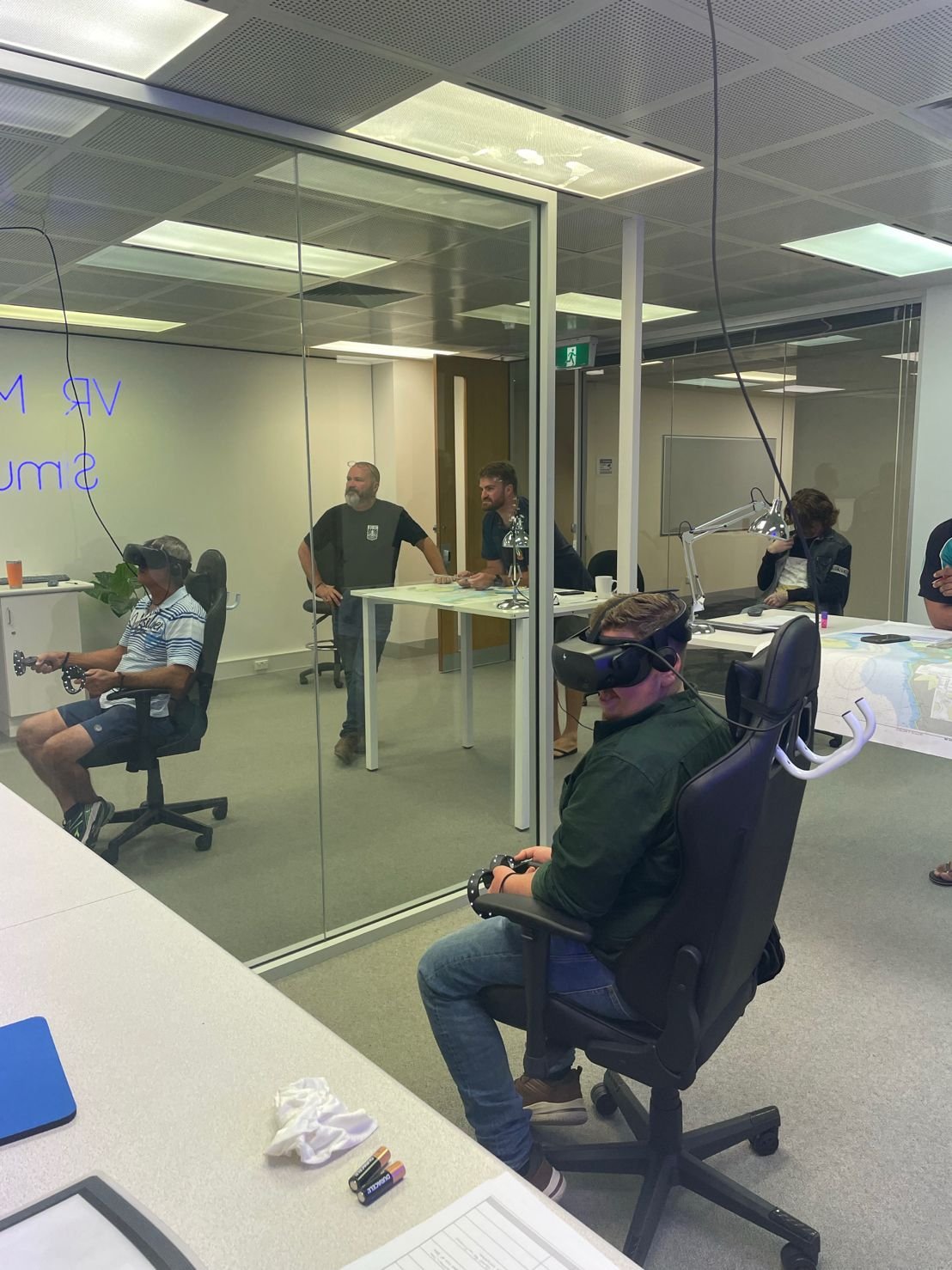
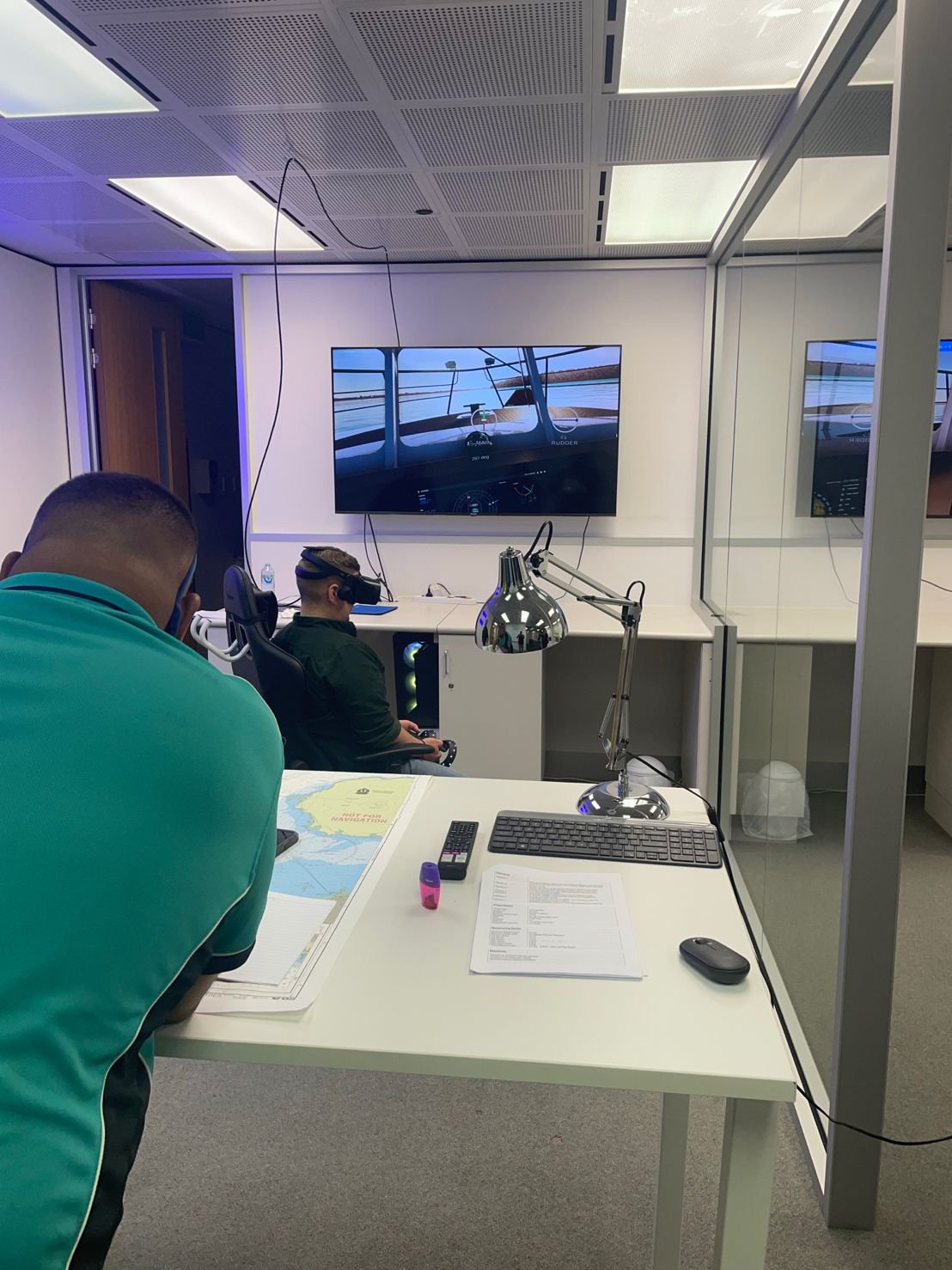
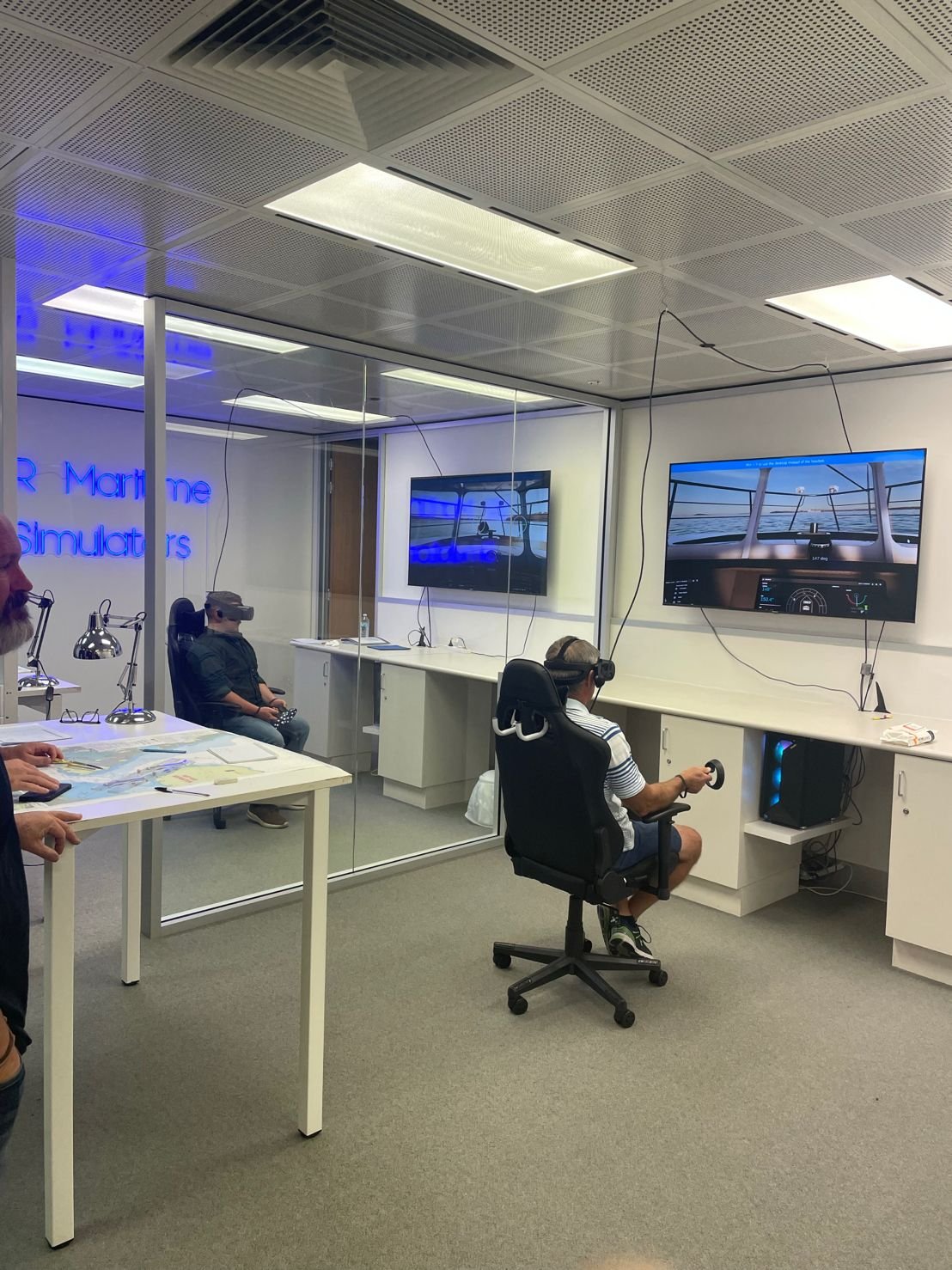
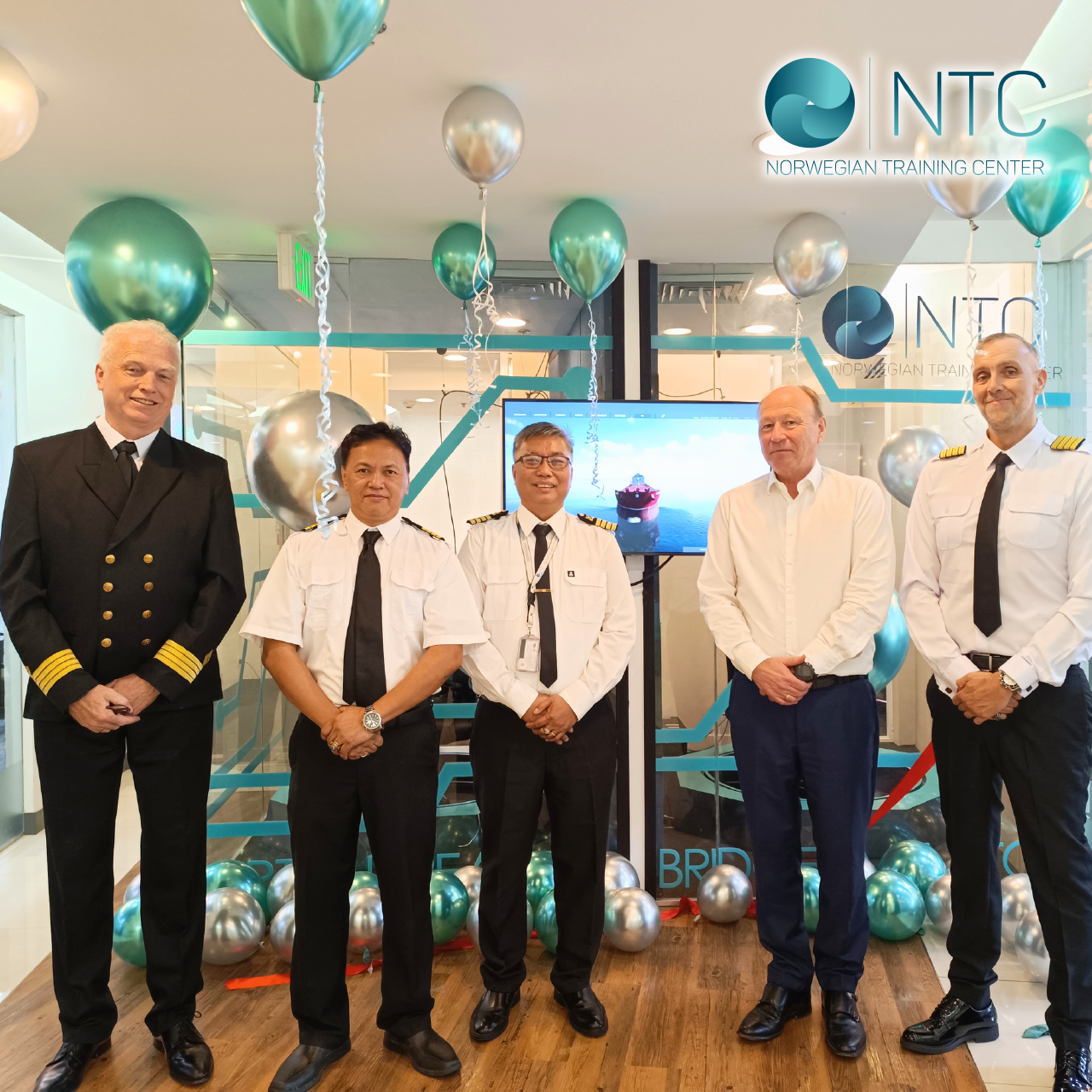
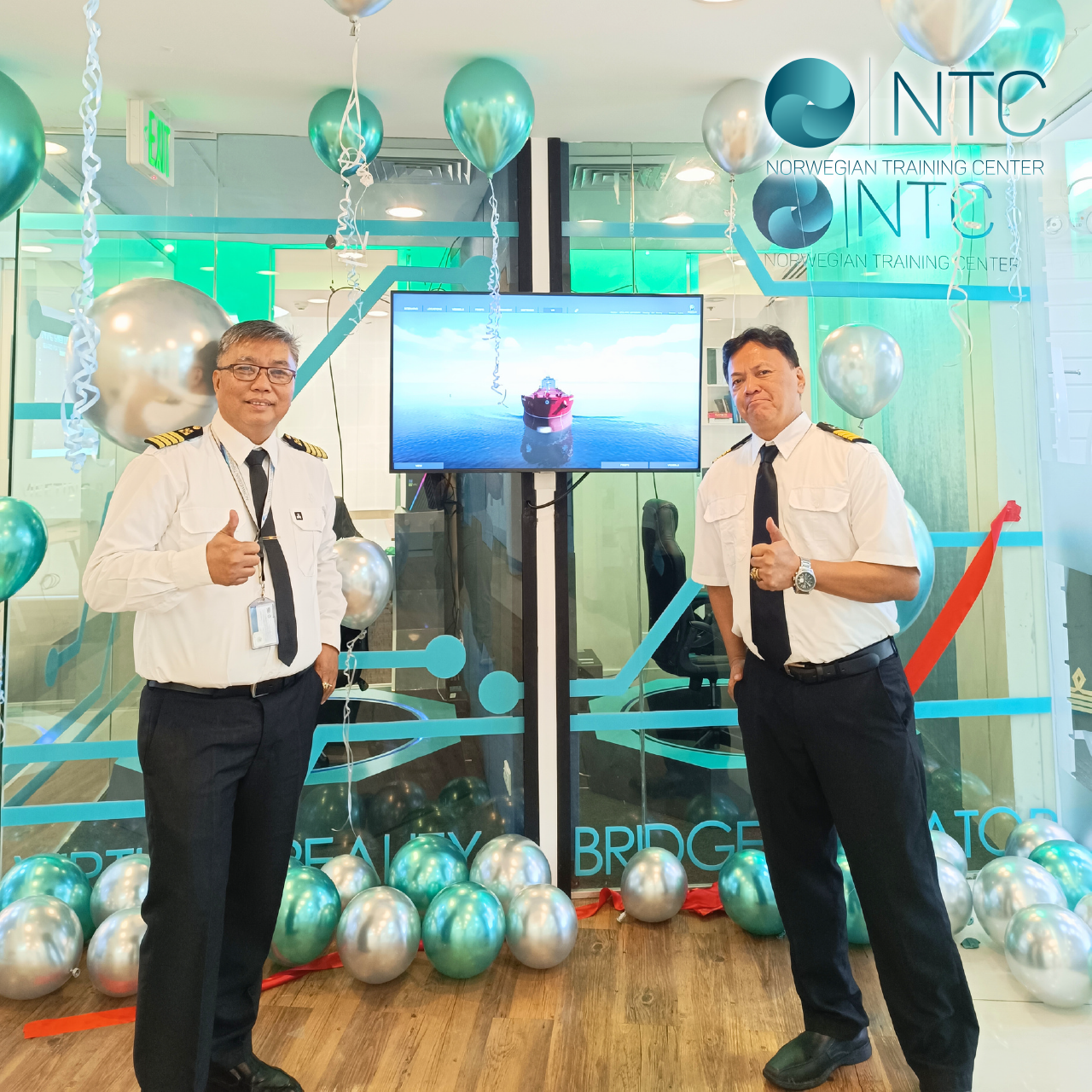
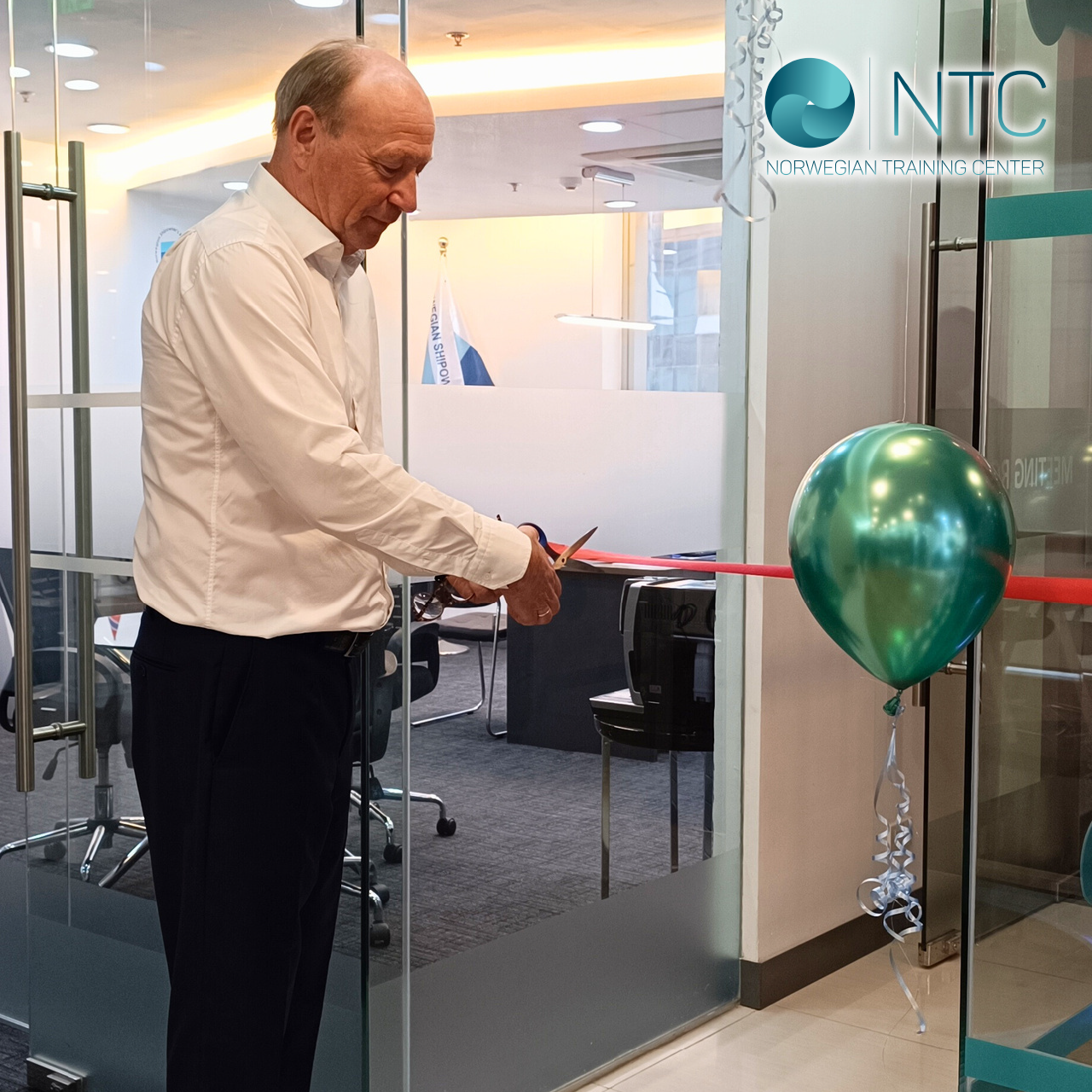
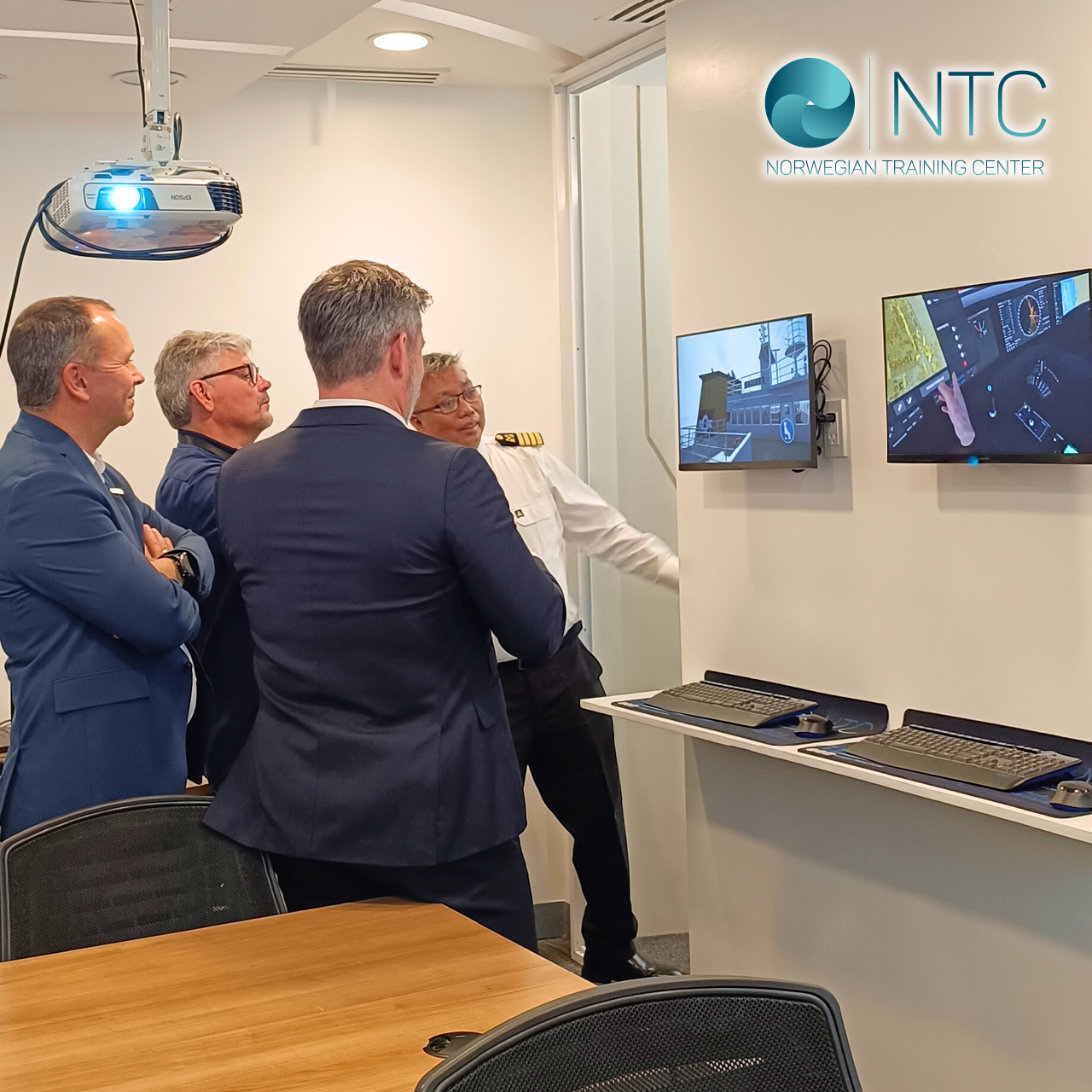
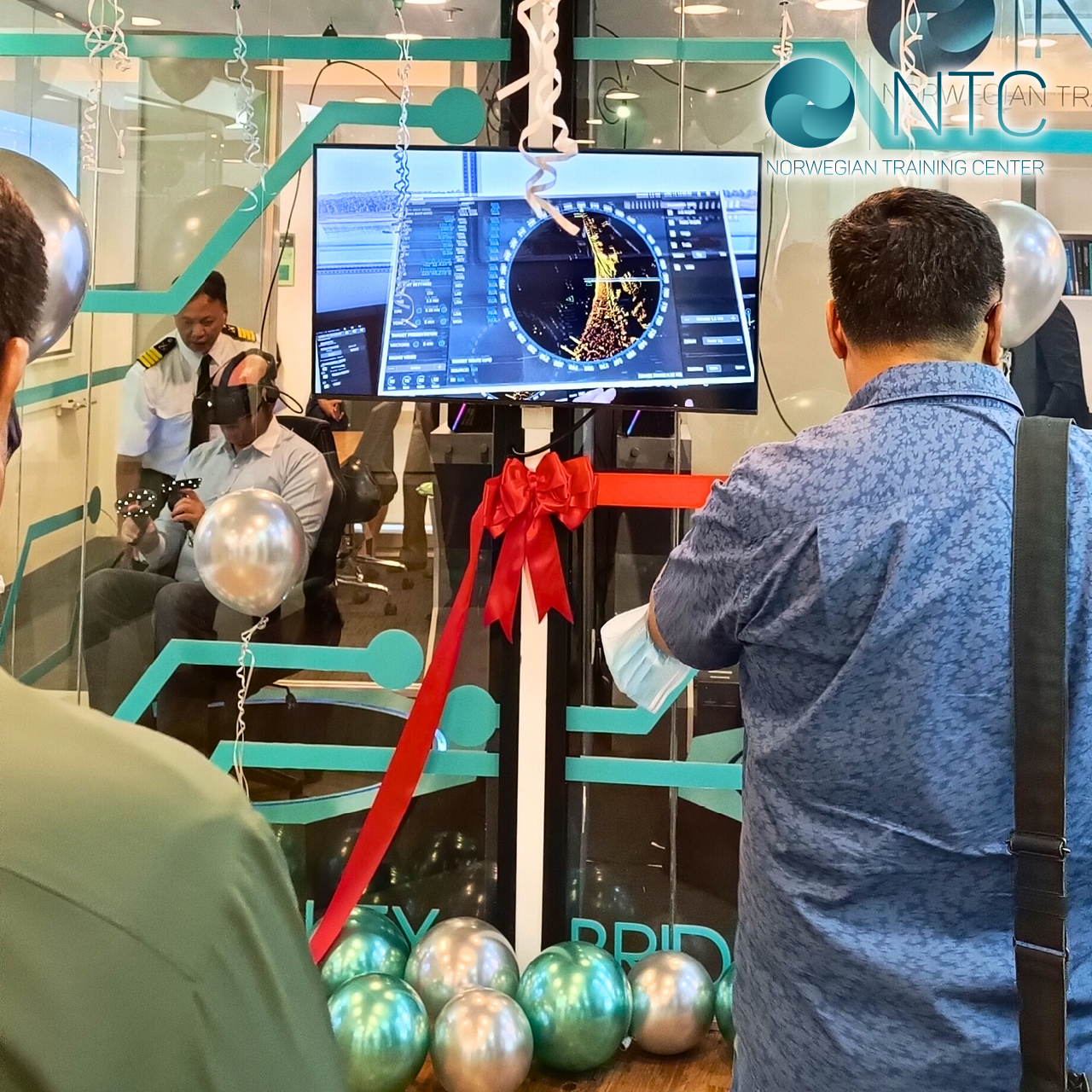
The Norwegian Shipowner’s Association’s training center in Manilla Philippines: “Norwegian Training Center” (NTC) in Manila, Philippines, has made a significant stride in maritime education by incorporating the Morild Ship & Bridge simulator system. This advancement, particularly with the official opening of their VR training facilities in November 2023, marks a notable evolution in the way seafarers are trained.

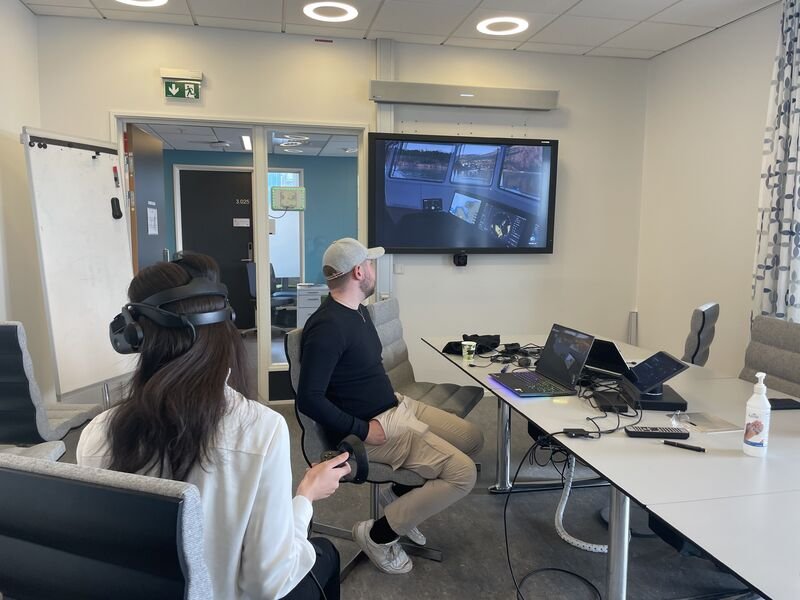
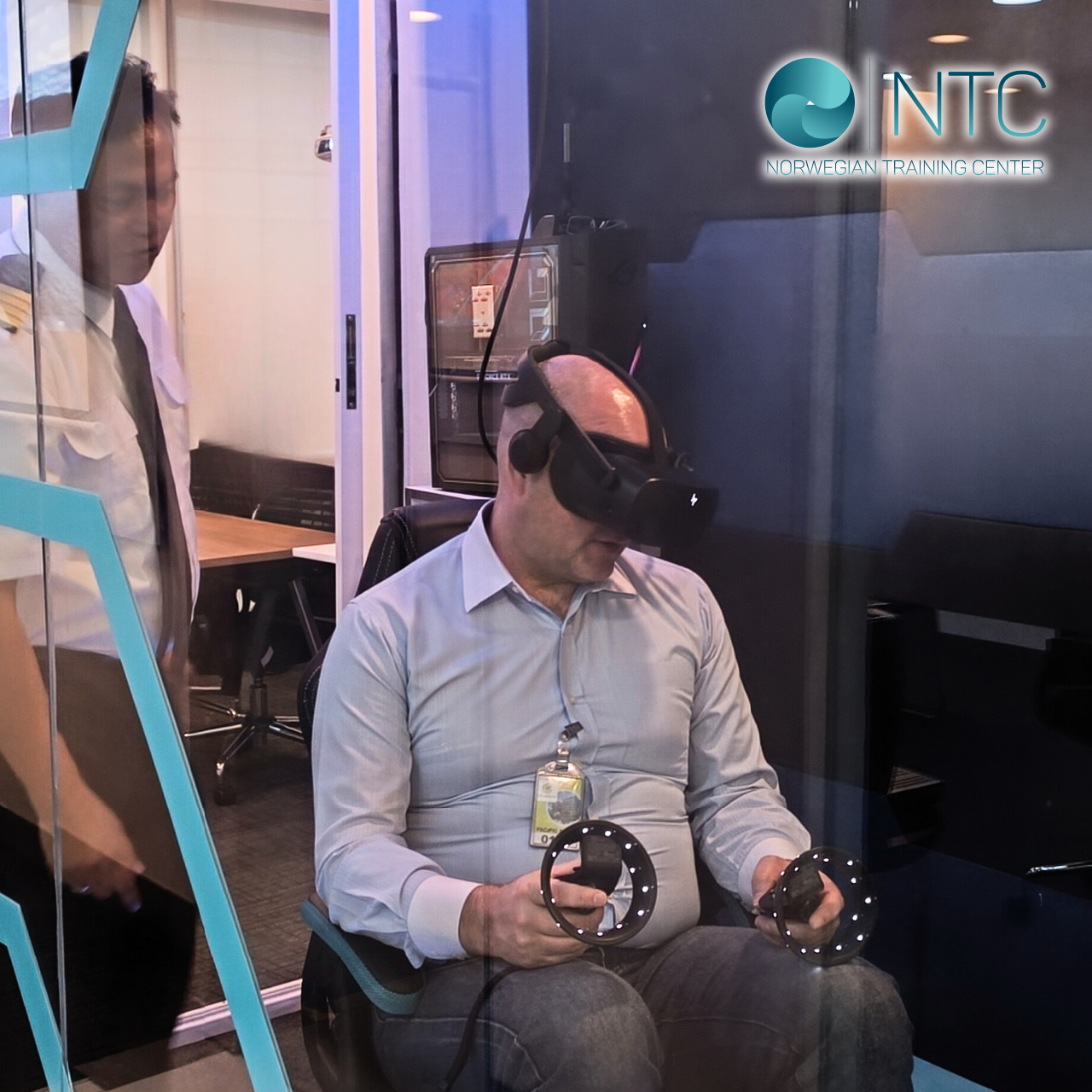
The integration of virtual reality (VR) technology into their training regimen is a forward-thinking move. VR offers a highly immersive and interactive environment, allowing trainees to experience realistic ship operations and bridge management scenarios. This kind of hands-on, experiential learning can be more effective than traditional methods, as it enables seafarers to practice and hone their skills in a safe, controlled, yet realistic setting.

The ongoing collaboration between Morild Interaktiv and Norwegian Training Center (NTC) plays a crucial role in elevating maritime training standards while maintaining cost efficiency. This partnership is instrumental in enhancing the quality of maritime education, ensuring that seafarers are thoroughly prepared with the essential skills and knowledge required to tackle the complexities of contemporary seafaring. Such cooperative efforts are fundamental in driving innovation and excellence in the maritime industry.

Overall, the Norwegian Training Center's adoption of the Morild Ship & Bridge simulator system for seafarer training is an exemplary model of how innovative approaches can enhance the quality and effectiveness of maritime education. This initiative not only benefits the trainees but also contributes positively to the broader maritime industry by preparing a new generation of seafarers who are well-trained, competent, and ready to meet the demands of a dynamic and evolving sector.

Photos and video are provided courtesy of the Norwegian Training Center (NTC).

Revolutionizing maritime infrastructure planning with the Morild Simulator System by Olav-Rasmus Vorren

Photo: Norwegian Coastal Administration

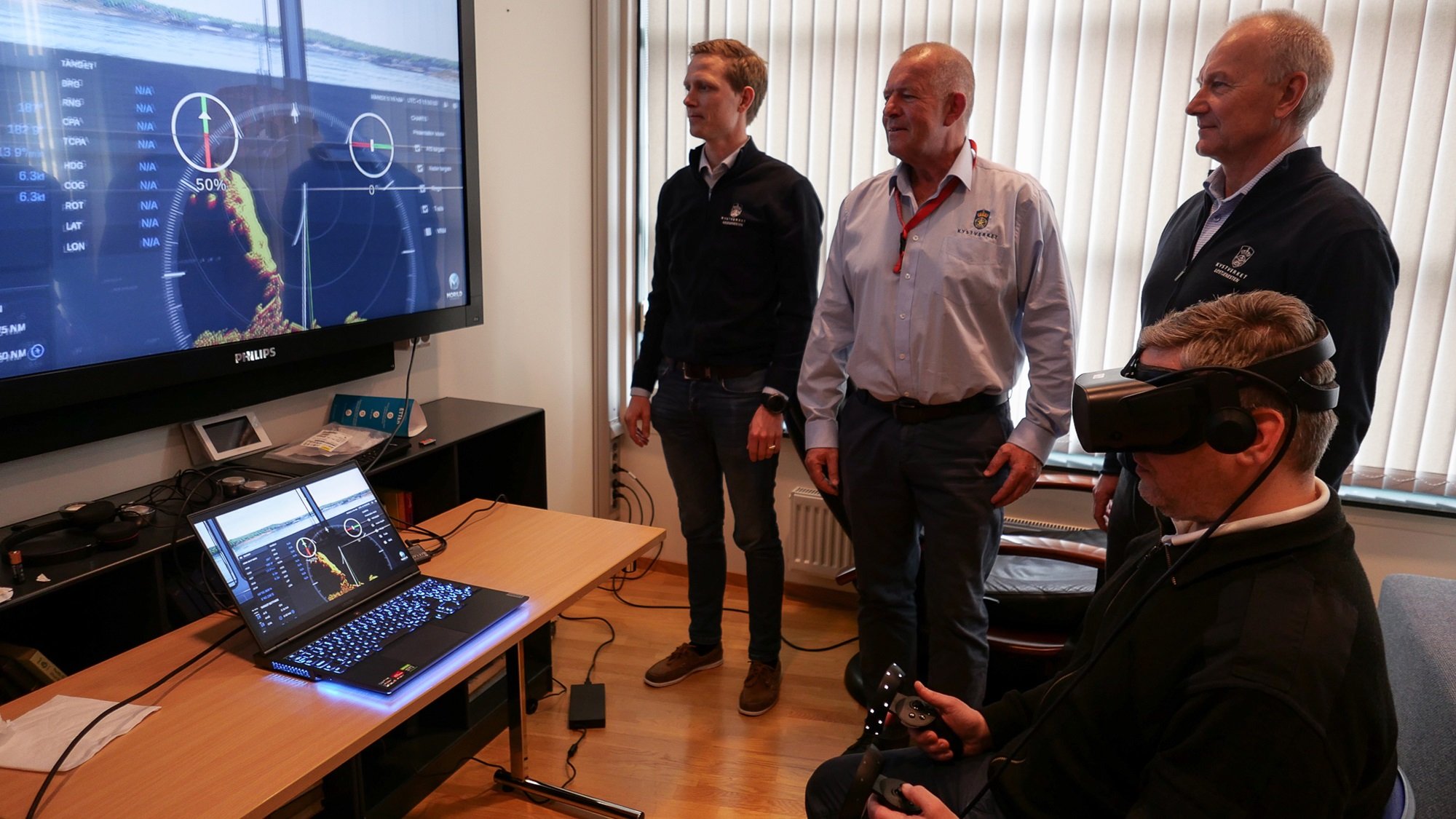
Navigational infrastructure is critical for maritime safety and efficient shipping. In an industry-first move, the Norwegian Coastal Administration’s division for planning navigational infrastructure has turned to advanced simulation technologies. They are utilizing the Morild simulator system to plan, test, and ensure the quality of new maritime infrastructure projects.

This innovative system features a "digital twin" of the entire Norwegian coastline. For those unfamiliar with the term, a digital twin is a digital replica of a physical entity, allowing for real-time analysis and monitoring. In this case, the digital twin is generated dynamically from official datasets, providing an up-to-date, accurate, and realistic environment for planning and testing.

The use of the Morild simulator system represents a significant leap forward in maritime planning. It allows for much more robust testing scenarios, reducing risks and increasing the efficacy of new infrastructural projects.

For those interested in delving deeper into the technical details of this project, an article has been published on the Norwegian Coastal Administration’s website. You can read it here (Note: The article is in Norwegian).

From Physical to Virtual: The Evolution of Maritime Training Simulators by Olav-Rasmus Vorren

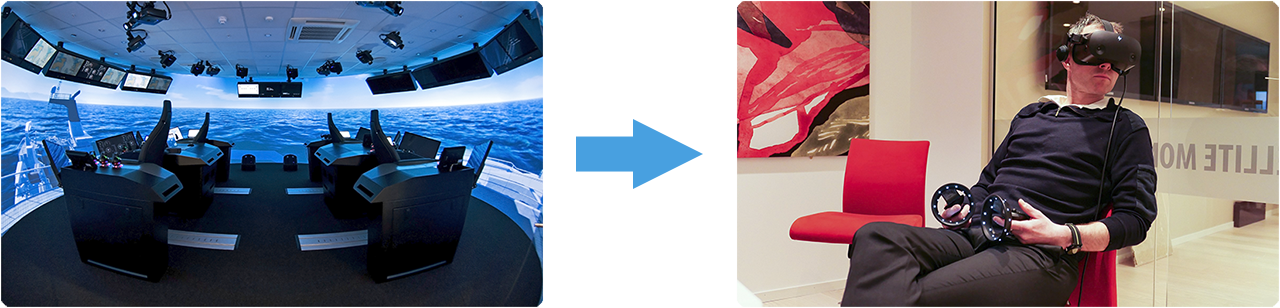
Above: Two different simulator systems developed and supplied by Morild Interaktiv

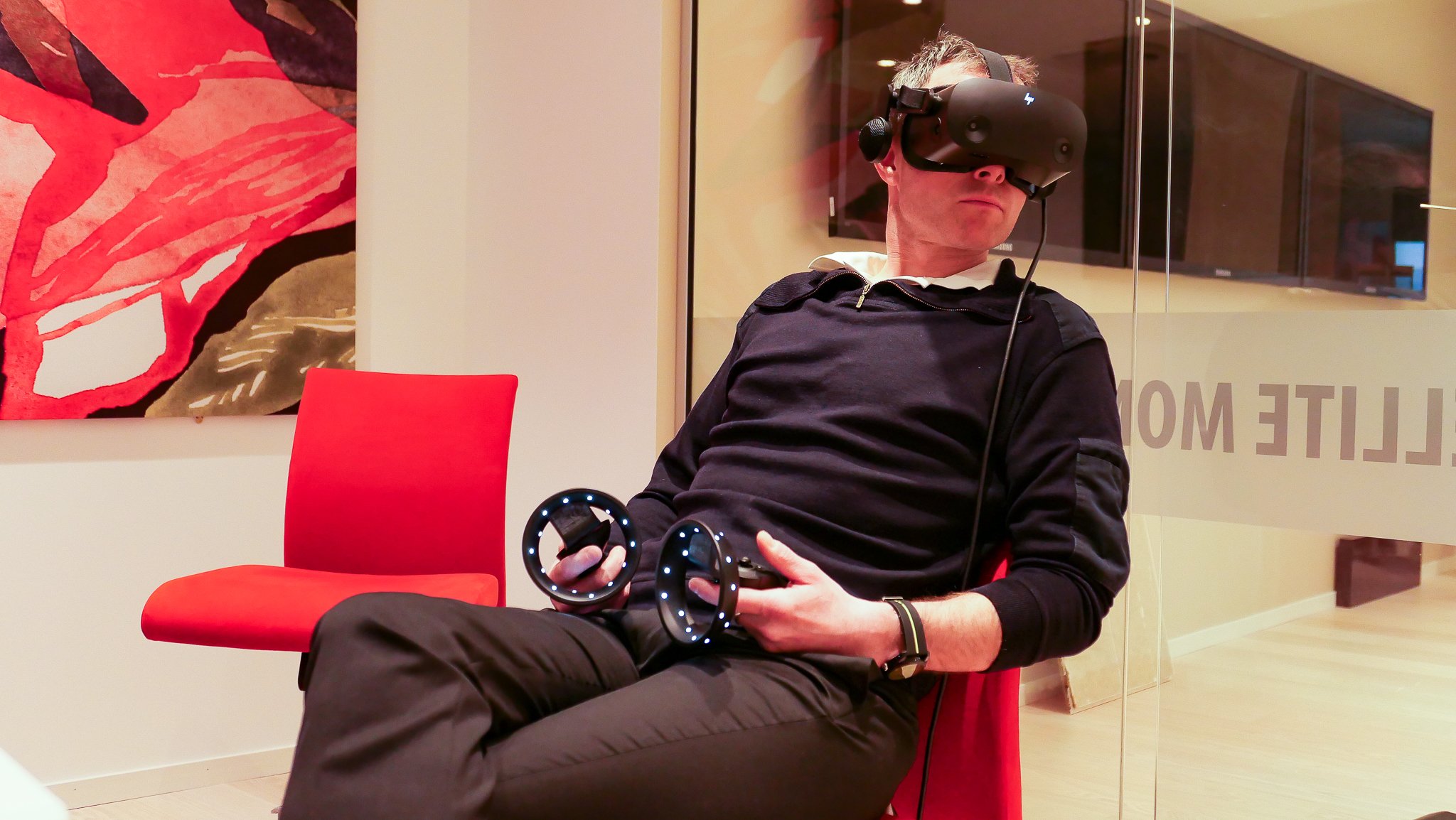
When VR training simulators are discussed, the image of a VR headset is often the first thing that comes to mind. In the context of a training simulator, however, the headset represents just a vital yet minor piece of a much more extensive system. To illustrate this, envision a cutting-edge driving experience offered by a luxury automobile manufacturer. The vehicle acts as the final platform where users engage with the driving environment. But for the driving experience to be truly captivating, substantial effort must be dedicated to crafting every detail of each component and system to the highest standard of excellence, an intuitive interface, all meticulously designed to provide an unparalleled sensation of driving.

This analogy neatly aligns with maritime training simulators. Similar to the high-end driving experience, a training simulator for maritime scenarios must be intricately designed from the ground up to harness its potential fully. It should strive to deliver the utmost realistic training experience and capitalize on all the advantages the medium offers.

Traditionally, conventional maritime simulator systems aimed to faithfully replicate the physical environment of a ship's bridge. This approach brought numerous benefits, creating training that was remarkably lifelike. However, this approach was only viable due to technological limitations at the time. One drawback of this design was its substantial cost - both in terms of acquisition and operation - stemming from the system's complexity and the multitude of components involved. Additionally, its fixed physical location demanded ample space and incurred supplementary expenses for trainee travel and accommodation. This design also restricted simulator access, thereby limiting the volume of training sessions.

Given these factors, it's evident that simply attaching VR headsets to a conventional maritime training simulator system wouldn't fully exploit the potential advantages, such as cost reduction, expanded training capacity, and streamlined system architecture.

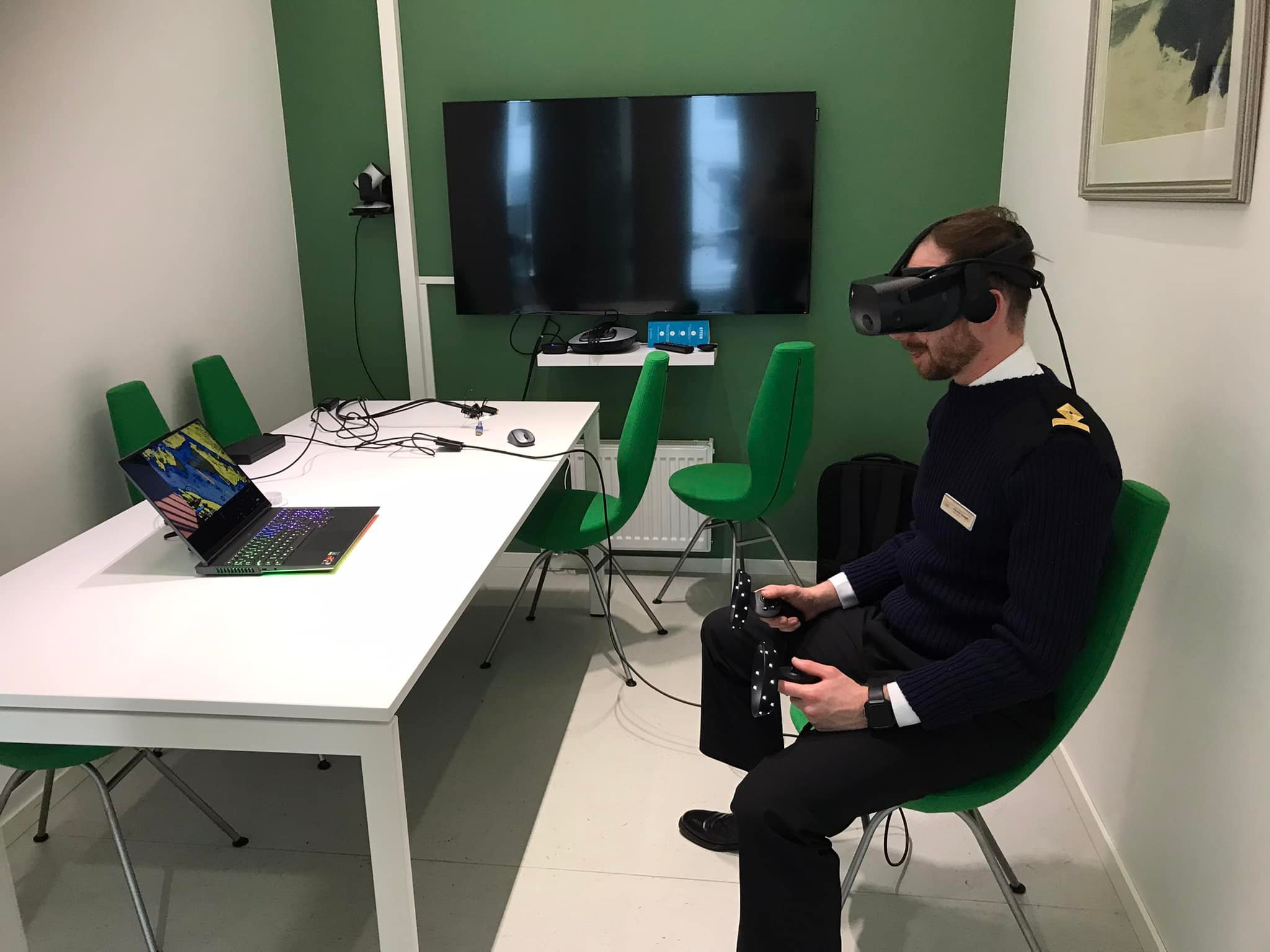
Our solution entails an integrated system where all components meld into a singular software interface. This approach mitigates the need for high-bandwidth internet access to run disparate cloud-based components, addressing concerns about user complexity. Moreover, it enhances cost-effectiveness and portability, as the solution can be deployed on a laptop.

In conclusion, the pivotal question is: "How effectively does our simulator system perform in practical scenarios?" This developmental journey has been both thrilling and challenging. Our level of achievement today owes much to the robust collaboration with academia, maritime research institutions, industry experts, and our customers. They provide profound insights into the critical facets a training simulator system must address to deliver maximum training value.

Two distinct studies, conducted by esteemed Norwegian universities, have concluded that in terms of training quality, there is no discernible distinction between the results of our simulator and conventional systems. In hindsight, this outcome is logical, as the primary operational contrast lies in how users interact with the bridge equipment.

Our primary goal over the past decade has been achieving parity between our simulator and conventional systems. With this milestone accomplished, we're now focused on further extending the advantages of transitioning to this platform. We're brimming with excitement about the novel possibilities and eager to introduce them to our clients.

Norwegian Mapping Authority by Olav-Rasmus Vorren

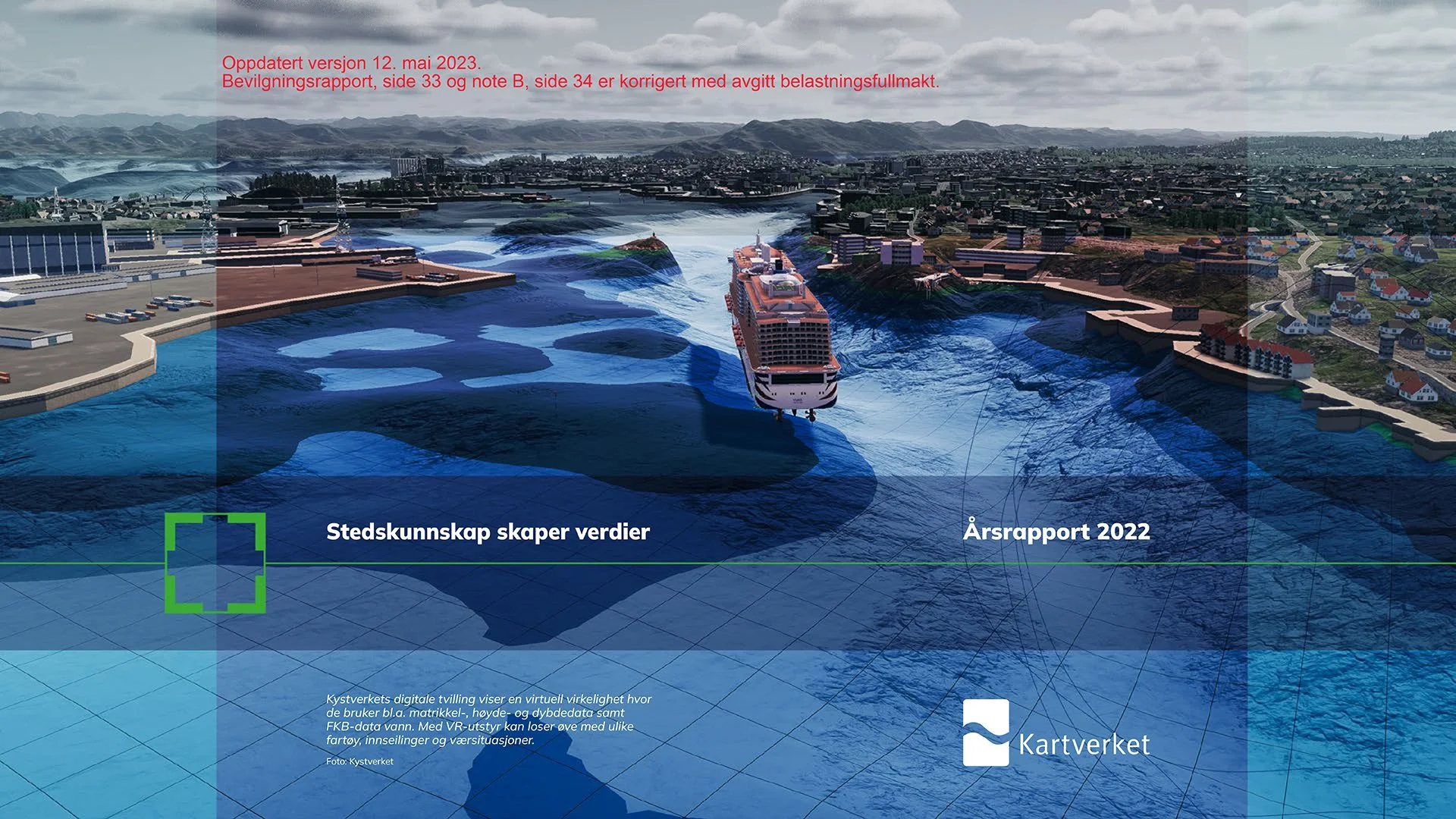
Front page of Norwegian Mapping Authority annual report for 2022.

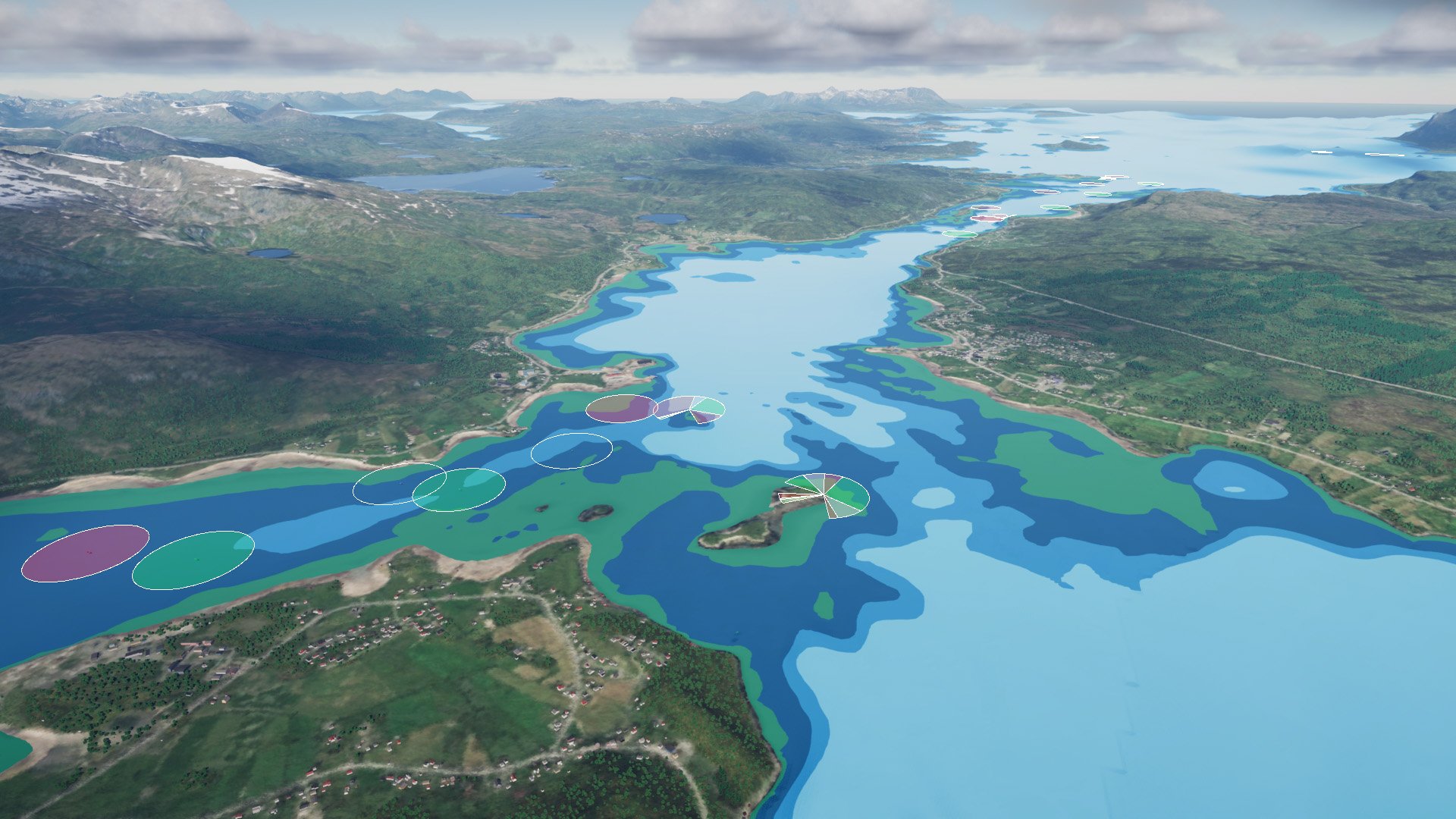
We are very proud to be on the front page of the annual report of Norwegian Mapping Authority. The image features our digital twin model of the entire Norwegian coastline, produced for the Norwegian Coastal Administration using our in-house developed algorithms to produce the dynamic geo-database.

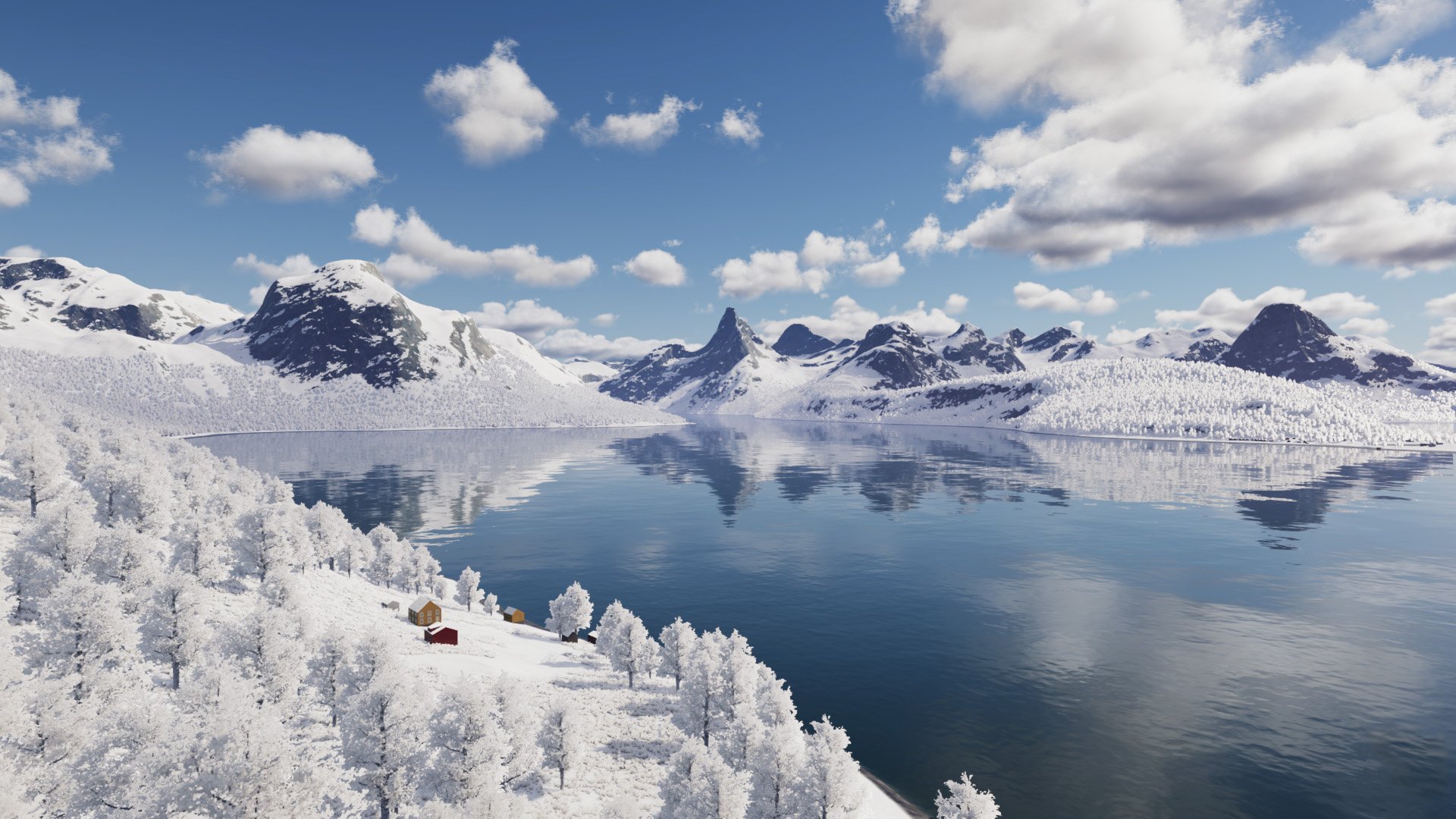
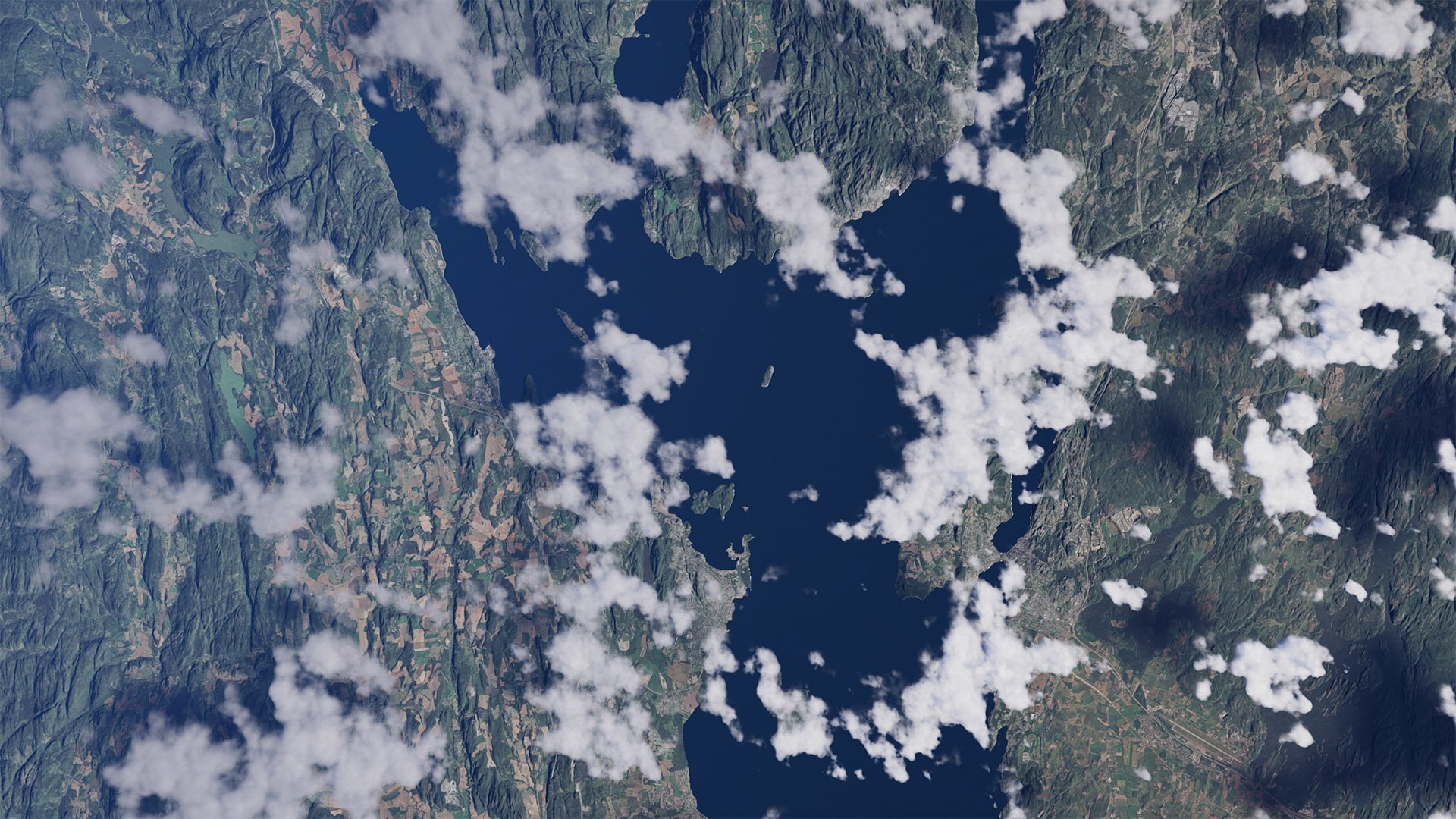
Our fully automated dynamic geo-database system utilizes the ideal data sources for different locations, generating content of the highest level of detail and visual quality (see images below) - at both near and far distance. The system is dynamic and scalable with technological advances within computer graphics, enabling content to continuously improve in fidelity over time. Dynamic re-generation functionality ensures that you will always train in an up-to-date, accurate and relevant environment.

Morild at Nor-fishing 2022 convention by Olav-Rasmus Vorren

NTNU - Norwegian University of Science and Technology demonstrated a collaboration project using our VR Ship & Bridge simulator system to develop aquaculture training at Nor-Fishing-fishing.no/ 2022 in Trondheim last week.

In the photo above we see Øivind Andersen, university lecturer at NTNU’s Department of Ocean Operations and Civil Engineering demonstrating the VR simulator.

You can read an article covering this by clicking HERE (Norwegian).

Iona first officers test our VR-Simulator by Olav-Rasmus Vorren

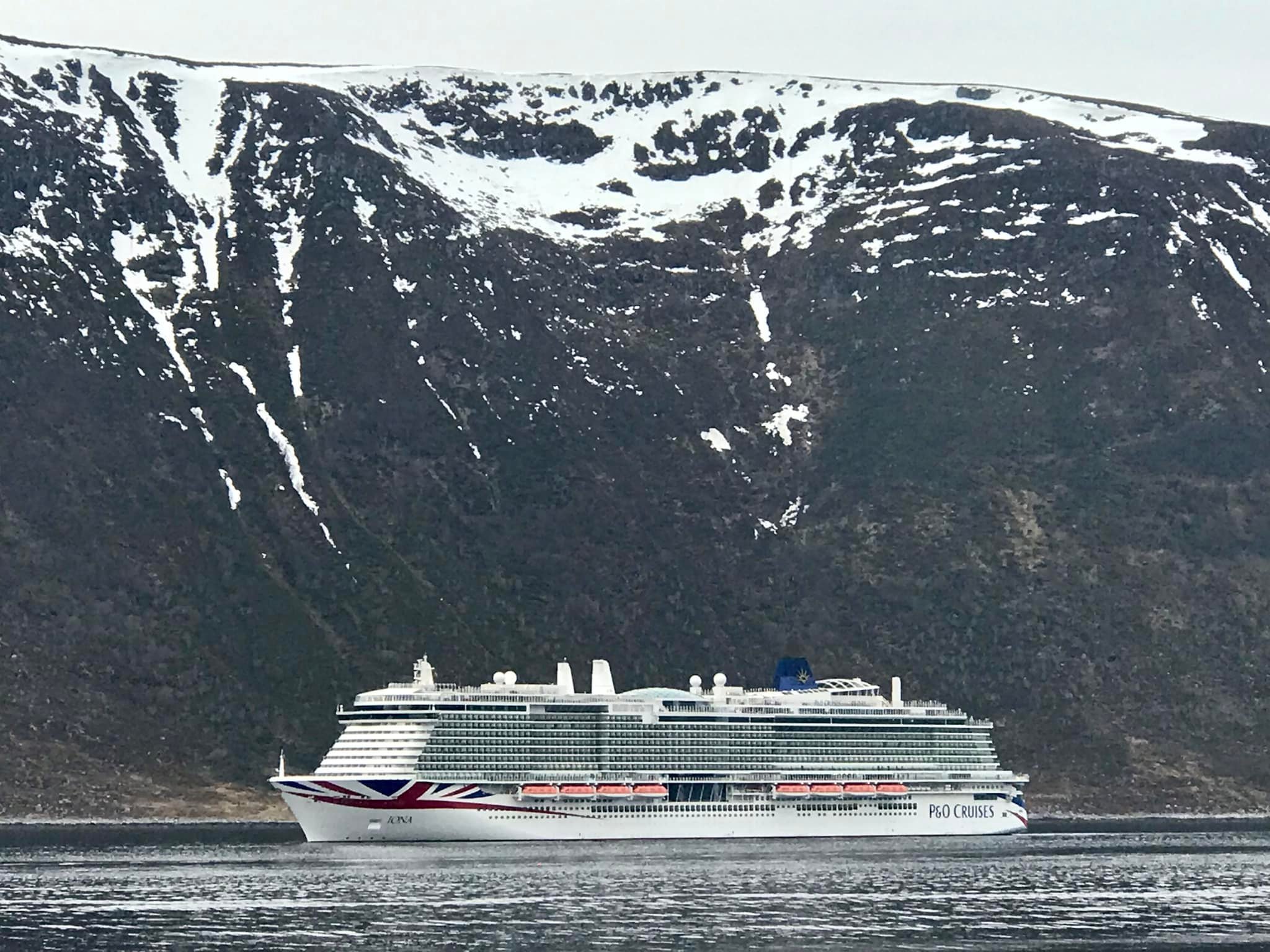
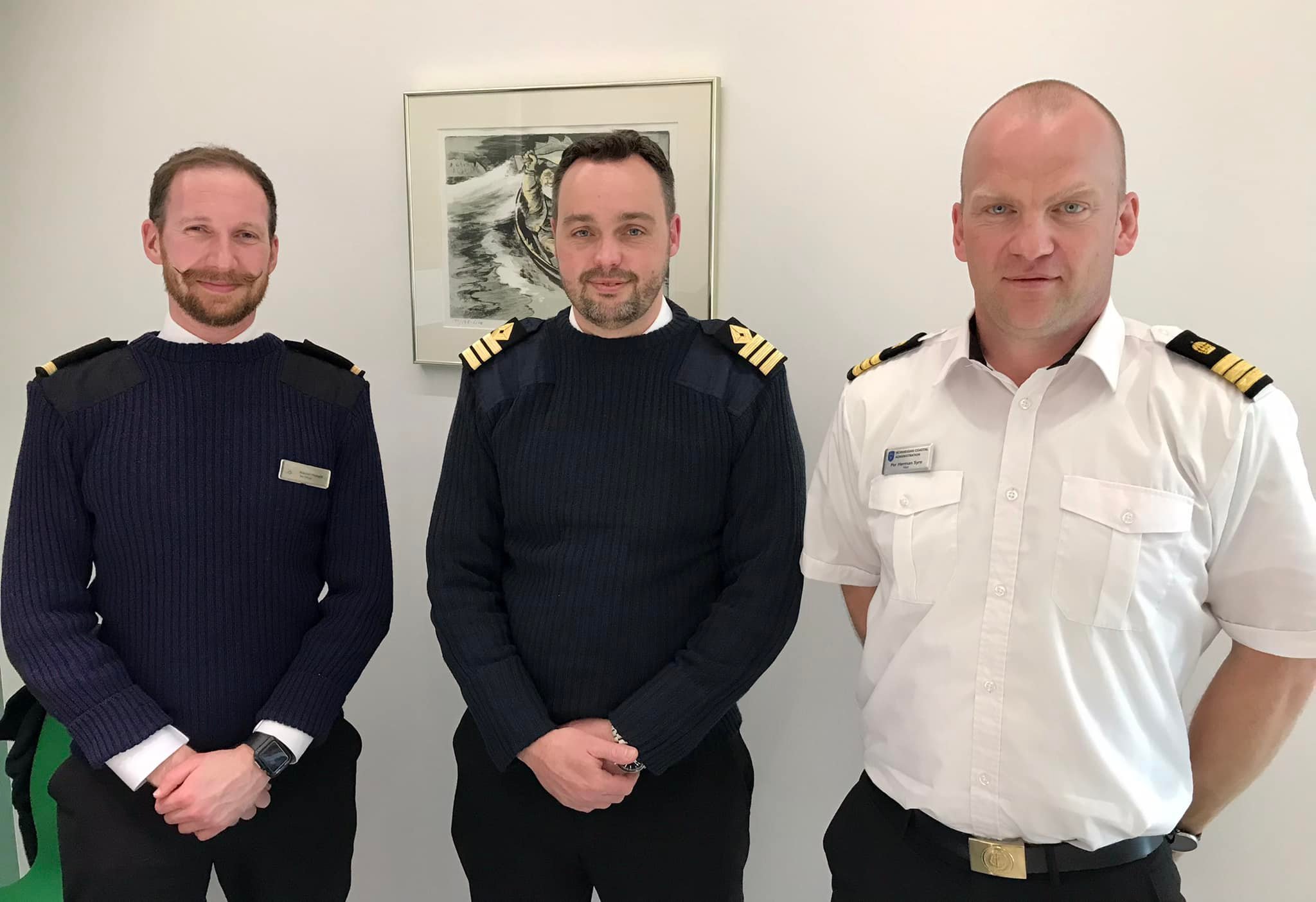
Today the Norwegian Coastal Administration invited first officers Ben Clorley and Alasdair Horswill from the cruise ship Iona to test their own vessel in our VR Ship & Bridge simulator.

Pilots Per Herman Syre and Hallvard Høydalsvik facilitated the session, and feedback from the Iona crew is that “The VR simulator system is highly realistic - it is just like being aboard the actual vessel”. This coming from the crew that has the background to compare reality with simulation in this case - is a very positive verification.

Welcome on board Marint Kompetansesenter! by Olav-Rasmus Vorren

Ole Andreas Holm, Managing Director Marint Kompetansesenter

Marint Kompetansesenter is now using our VR Ship & Bridge simulator system with great success in training and students. The system enables them to take control of their training, and to take it on the road to cover a large geographic area, due to the systems compact and portable design.

We greatly appreciate working with such a passionate organization and people, and to participate in revolutionizing and increase quality and competence. This is what motivates and drives us!

Australian Maritime & Fisheries Academy by Olav-Rasmus Vorren

The Australian Maritime & Fisheries Academy has replaced their conventional simulators with Morild Ship & Bridge VR simulator system in their training centers in Port Adelaide and Port Lincoln. The transition has been very successful and they are now up and running.

With our VR simulator system they are able to train together and utilize instructors remotely between the two locations.

It is exciting to be part of the paradigm shift in maritime training - what used to be a vision for the future is finally reality.

VR Ship Bridge field results by Olav-Rasmus Vorren

The Norwegian Coastal Administration are achieving great results utilizing our VR Ship Bridge simulator in their training.

After having used the simulator on several training courses, both the results and feedback from users is very good.

You can read an internal news story published on The Norwegian Coastal Administration’s home page by clicking here (Norwegian only).